


The History, Impact, and Future of Discriminatory Restrictive Covenants 2024
This pre-recorded program is an excerpt from the Annual Real Estate Update 2023.
Scars of segregation
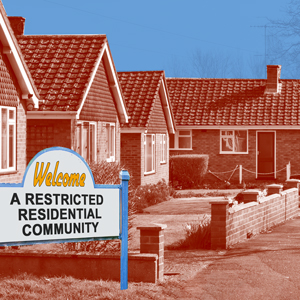
Wisconsin residents may be surprised to discover ugly remnants of the past in the documents conveying ownership of their homes. Since the early 19th century, racially restrictive covenants were used to keep certain minorities from buying residential property in neighborhoods and cities in Wisconsin and across the country. Wisconsin now has one of the lowest rates of Black homeownership in the nation.1 Although restrictive covenants have been deemed unconstitutional by the United States Supreme Court and were prohibited by the Fair Housing Act, they remain relatively common features in deeds today.
Dig deeper into the history of housing inequality in Wisconsin at The History, Impact, and Future of Discriminatory Restrictive Covenants. Examine how racially restrictive covenants operated to exclude minorities from certain neighborhoods and suburbs in the Badger State. You’ll trace the jurisprudence of restrictive covenants in real estate from pre-Shelley v. Kraemer to the present and see real examples of exclusionary language contained in Wisconsin deeds. Discover how generational wealth gaps, diminished property values, and access to quality education can be linked to housing segregation.
This pre-recorded program is an excerpt from the Annual Real Estate Update 2023.
Scars of segregation
Wisconsin residents may be surprised to discover ugly remnants of the past in the documents conveying ownership of their homes. Since the early 19th century, racially restrictive covenants were used to keep certain minorities from buying residential property in neighborhoods and cities in Wisconsin and across the country. Wisconsin now has one of the lowest rates of Black homeownership in the nation.1 Although restrictive covenants have been deemed unconstitutional by the United States Supreme Court and were prohibited by the Fair Housing Act, they remain relatively common features in deeds today.
Dig deeper into the history of housing inequality in Wisconsin at The History, Impact, and Future of Discriminatory Restrictive Covenants. Examine how racially restrictive covenants operated to exclude minorities from certain neighborhoods and suburbs in the Badger State. You’ll trace the jurisprudence of restrictive covenants in real estate from pre-Shelley v. Kraemer to the present and see real examples of exclusionary language contained in Wisconsin deeds. Discover how generational wealth gaps, diminished property values, and access to quality education can be linked to housing segregation.
Gain a better understanding of the lasting effects for you, your clients, and your practice at The History, Impact, and Future of Discriminatory Restrictive Covenants.
1 Digging Deeper: Racial restrictions still exist in some property deeds
Product details
- Examine the structure and purposes of racially restrictive housing covenants
- Review the legal history and jurisprudence surrounding racially restrictive covenants
- Learn how racially restrictive covenants perpetuated segregation
- Recognize the ongoing impacts of restrictive covenants
- Real estate lawyers
- Title and closing lawyers
- General practitioners
- Realtors
- Anyone interested in the history of restrictive covenants